
Player Pay Wars Hit the Courts as Salary Caps and Sponsorship Deals Shape the Off Field Game
Two of Australia’s major sports are now facing concurrent legal action from their players over revenue sharing and collective bargaining terms, underscoring how critical it is for athletes and their associations to understand and enforce their commercial entitlements. Meanwhile, salary cap valuations, major sponsorship shifts and integrity issues continue to test the frameworks that govern professional sport in this country.
- Socceroos and Matildas launch Supreme Court action against Football Australia over revenue share
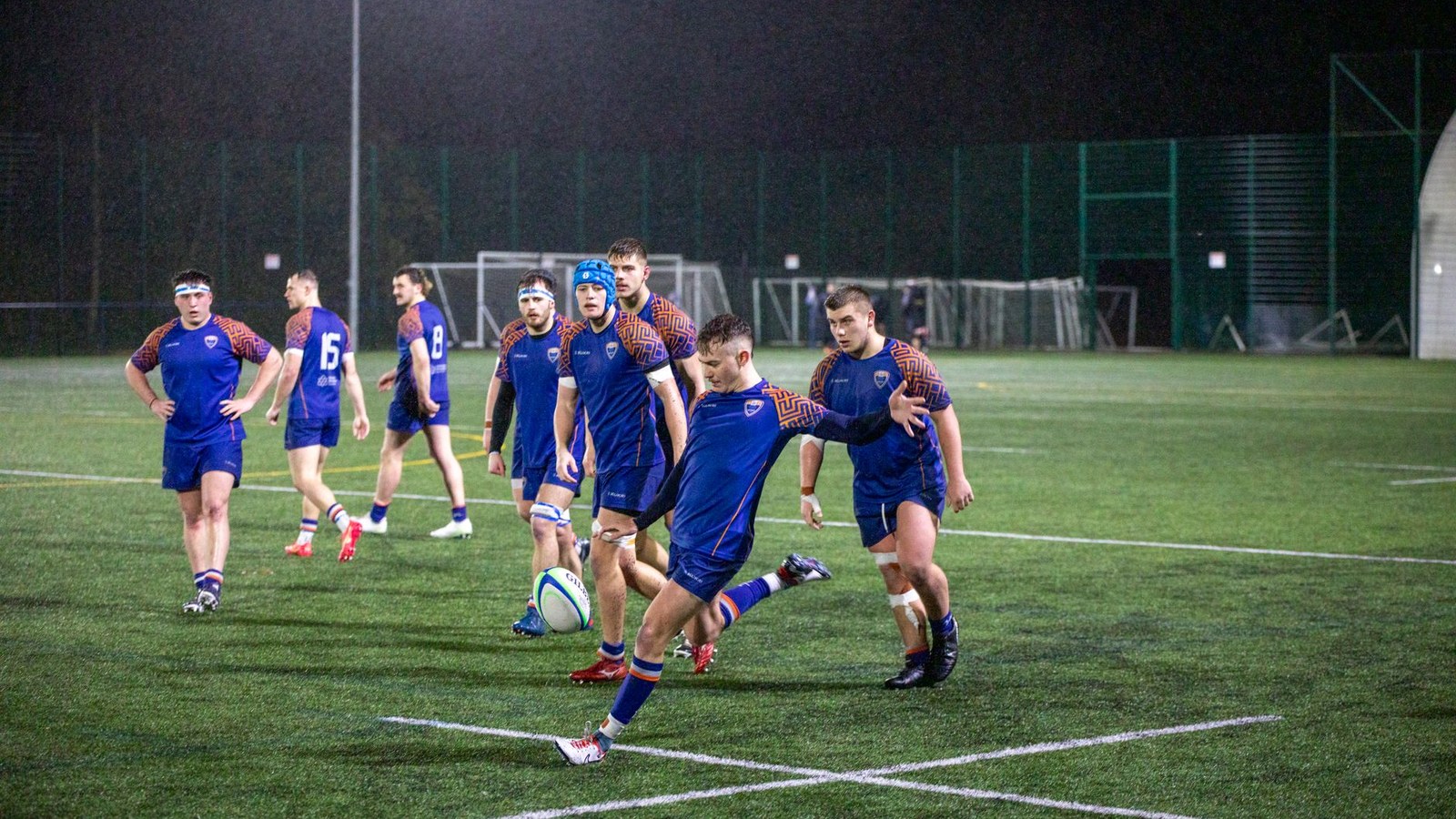
- Rugby players launch legal action amid CBA pay war impasse with Rugby Australia
- NRL’s $1m hardline stance on salary cap valuation for Chiefs to complete Roger Tuivasa-Sheck/Young signing
- CAS rules Russia can compete in ice hockey World Championships
- Hawthorn Football Club secures multi-year principal partnership with BYD from 2027
- Sydney Swans CEO apologises as AFL addresses Tom Papley driving allegation
Socceroos and Matildas launch Supreme Court action against Football Australia over revenue share
Socceroos and Matildas players have filed Supreme Court proceedings against Football Australia in a multi-million dollar dispute over revenue-sharing arrangements that entitle players to 18 to 20 per cent of commercial income linked to the senior national teams.
This case will test how broadcast, sponsorship and ticketing revenue connected to national teams is calculated and paid out to players. The result will shape future collective bargaining negotiations between Football Australia and Professional Footballers Australia. Agents and players in other codes should note the readiness of athletes to go to court when revenue-sharing terms are in dispute.
Rugby players launch legal action amid CBA pay war impasse with Rugby Australia
The Rugby Union Players’ Association has commenced legal proceedings against Rugby Australia after the parties failed to agree on a new collective bargaining deal before the existing terms expired.
Without an agreed CBA, payment structures, match fees and revenue shares for Super Rugby and Wallabies players are uncertain. Legal action during a bargaining impasse puts pressure on both sides and could affect player availability and contracting timelines for the 2027 season and the home Rugby World Cup. Clubs, agents and players need to monitor this dispute closely, as it may reset pay benchmarks across Australian rugby.
NRL’s $1m hardline stance on salary cap valuation for Chiefs to complete Roger Tuivasa-Sheck/Young signing
The NRL has held firm on the salary cap valuation attributed to the player in question, requiring the new franchise to account for approximately $1 million against the cap to complete the signing.
This shows the NRL’s active role in determining how player contracts are registered against the salary cap, particularly for expansion clubs chasing marquee recruits. Clubs and agents structuring deals should expect the NRL to independently assess market value rather than simply accept reported terms. Any gap between a club’s proposed registration and the NRL’s valuation can delay or block player movement.
CAS rules Russia can compete in ice hockey World Championships
The Court of Arbitration for Sport has ordered the reinstatement of Russian teams to international ice hockey competition, overriding the IIHF’s exclusion and prompting widespread pushback from national federations and governments.
The ruling shows CAS’s authority to override international federation sanctions, even those backed by broad geopolitical consensus. For Australian sports bodies and athletes, the decision underlines that exclusion policies must be grounded in governing documents rather than political directives alone, or they risk being reversed on appeal. It also raises questions about whether similar challenges could be brought in other sports where Russian athletes remain banned.
Hawthorn Football Club secures multi-year principal partnership with BYD from 2027
BYD has replaced Nissan as Hawthorn’s principal partner for both AFL and AFLW programs under a multi-year deal commencing in 2027.
The deal signals growing competition among Chinese automotive brands for premium AFL sponsorship inventory, following similar moves by other manufacturers with rival clubs. Clubs benefit from new market entrants bidding up the price of major partnerships, and the shift illustrates how sponsor category turnover can create renegotiation opportunities for rights holders. Players and agents should note that a club’s commercial revenue base directly influences its salary cap position and ability to retain talent.
Sydney Swans CEO apologises as AFL addresses Tom Papley driving allegation
Sydney Swans CEO Matthew Pavlich has issued an apology after new details emerged regarding Tom Papley’s alleged driving under the influence, with the AFL reportedly not expected to take punitive action against the player.
The AFL’s handling of off-field conduct matters sets a precedent for when the league will impose sanctions beyond any police or court process. For players and agents, the distinction between criminal proceedings and league disciplinary action is important: a decision not to charge under league rules does not remove reputational or contractual risk, including the potential triggering of behavioural clauses in playing contracts. Clubs also face brand and sponsor exposure when integrity issues arise.
Key Takeaways
- National team players across football and rugby have turned to the courts to resolve disputes over revenue shares and expired CBAs, highlighting the importance of precise drafting and enforcement mechanisms in collective agreements.
- The NRL’s firm stance on a $1 million salary cap valuation for a marquee signing demonstrates how cap accounting decisions can materially affect a club’s ability to recruit and structure its roster.
- Hawthorn’s transition from Nissan to BYD as principal partner is a reminder that major sponsorship agreements require careful succession planning, IP management and alignment across both men’s and women’s programs.
- The Sydney Swans’ handling of the Tom Papley matter illustrates how player conduct issues demand swift, transparent governance responses from clubs, even where the league does not impose formal sanctions.
- CAS overriding the IIHF’s exclusion of Russia from international competition shows that eligibility and participation disputes can be reversed at arbitral level, reinforcing the power of sports tribunals over federation decisions.
Minerva Law’s sports law work is led by Consultant Lawyer Damian Bourke, who played 124 AFL games for Geelong and the Brisbane Bears before 30 years in property, finance and business.
General information only, not legal advice for your situation.