
Wills & Estates
Documents that decide what happens when you cannot
Wills, powers of attorney, medical decision makers and estate administration, with particular attention to what happens to a business, a company or a trust when its owner dies or loses capacity.
What we do
Estate planning, by document
A will is the document most people know about, and it is usually the one that does the least work. The powers of attorney decide who acts for you while you are alive, and for a business owner the company constitution, the trust deed and the shareholders agreement often decide more than the will does. We look at all of them together.
Wills
Written once, written properly
A will that says what you mean and holds up when it is read.
Business owners
Succession for the company and the trust
What happens to the business, the shares and the trust when you are gone.
Estates
Administration without the drama
Probate and the work after a death, handled steadily.
01
Wills
Who gets what, and who is in charge
A will names an executor, deals with your property, and provides for the people who depend on you. A clear one prevents the dispute; an unclear one, or none, is how estates end up in court. We draft wills that say what you mean, and we revisit them when circumstances change: a marriage, a separation, a new child, a new business.
- Simple and mutual wills
- Testamentary trusts for asset protection and tax
- Provision for blended families
- Guardianship of children

02
Powers of attorney and medical decisions
Who acts for you if you cannot
An enduring power of attorney lets a person you choose make financial and personal decisions if you lose capacity. An appointment of medical treatment decision maker does the same for medical decisions. Without them, your family may need a tribunal order to act for you. These documents are quick to prepare and the ones most often missing.

03
Business succession
What happens to the company, the trust and the franchise
Shares in a company do not simply pass under a will if a shareholders agreement says otherwise. A trust does not die with its appointor, but control of it can end up in the wrong hands. A franchise agreement usually ends on the death of the franchisee unless it provides for transfer. Estate planning for a business owner is as much about those documents as about the will, and that is the work this firm does every week.
- Successor appointors and trustees
- Shareholder and buy-sell arrangements
- Franchise agreement transfer on death
- Key person and insurance funding

04
Estate administration
Probate, and the work after a death
When someone dies, the executor needs a grant of probate before most assets can be dealt with, and then has to collect the estate, pay its debts and distribute it correctly. We obtain the grant, deal with the banks, the share registries and the land titles office, and advise the executor on the decisions they are personally liable for.

05
Contested estates
When a will is challenged, or should be
A will can be challenged by a person who was left without adequate provision, or disputed where capacity or undue influence is in question. Executors need to defend the estate; eligible claimants need to act within strict time limits. We advise both, and most of these matters settle at mediation.

How we work
Three steps
01
A conversation about what you own and who matters
Family, business interests, property and how they are held. Most of the work is in asking the right questions.
02
The documents, drafted and explained
Will, powers of attorney and any changes needed to the company or trust documents, on a quoted fee.
03
Signed properly and stored safely
Executed with the formalities that make them valid, held in safe custody, and reviewed when life changes.
Who you will work with

Consultant Lawyer
Damian Bourke
A lawyer, nationally accredited mediator and family dispute resolution practitioner, with thirty years in property development and finance and earlier work as a building surveyor and inspector. Damian has sat on the client’s side of complex deals and brings both commercial judgment and steadiness to a hard matter.
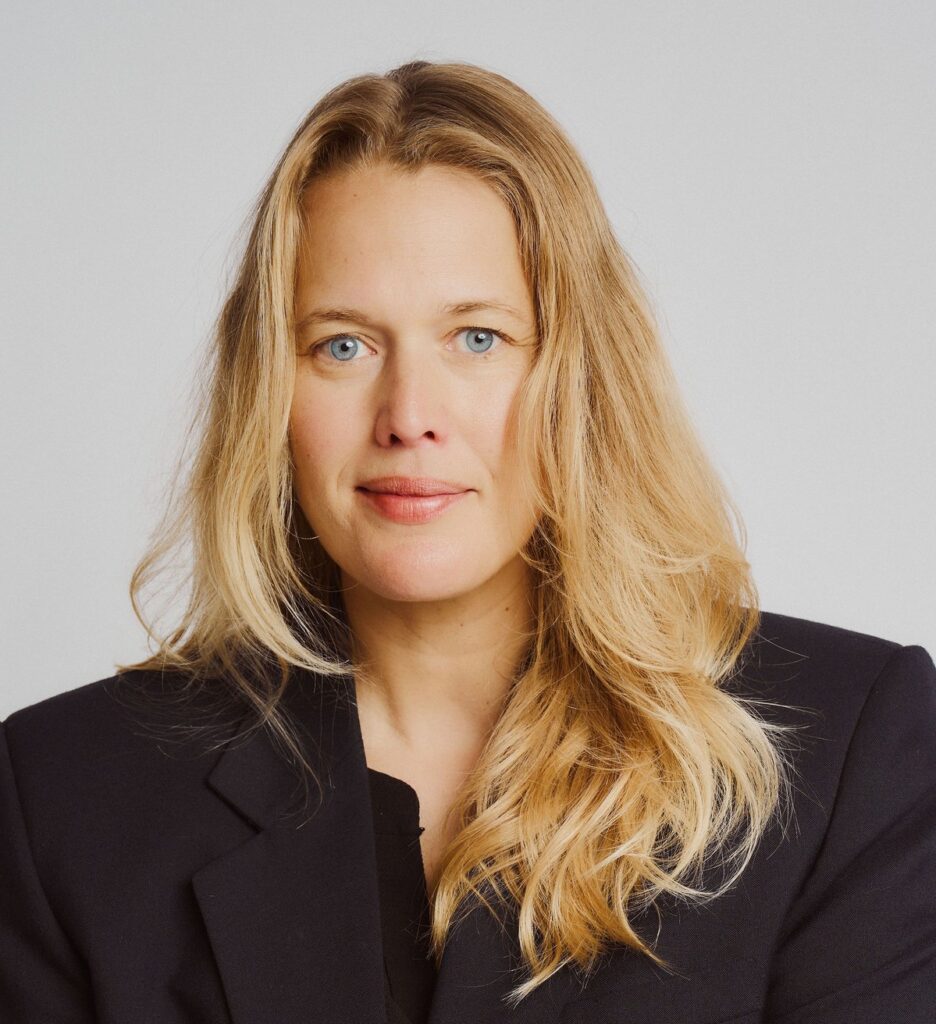
Special Counsel
Rebecca McAllum
More than ten years across litigation, corporate and commercial law and regulatory matters, with a Bachelor of Laws (Hons) from Auckland and a Masters from Oxford. Rebecca is known for clear, strategic advice and for finding the practical outcome in a complex dispute.
Client feedback
Voices of excellence
Live rating and reviews from the firm’s Google Business Profile.
Common questions
Estate questions, answered
Do I need a will if everything is in joint names?
Jointly held assets usually pass to the survivor automatically, but superannuation, life insurance, shares in a company and anything held through a trust do not work that way, and nor does anything you own in your sole name. A will is still needed, and for a business owner it is rarely the main document.
What happens to my business if I die without a plan?
It depends on how it is held. Shares pass to your estate and can be tied up until probate is granted, trading may stall if you were the sole director, and a franchise agreement may terminate. A succession plan deals with each of those in advance.
Can my family contest my will?
Certain people, including a spouse, a child and some dependants, can apply to the court for further provision if the will does not adequately provide for them. A well-drafted will, with reasons recorded where provision is unequal, reduces the risk and the cost of a claim.
How long does probate take?
In a straightforward estate, a grant is typically obtained within a few weeks of filing, and administration follows over the months after. Estates with a business, property in more than one state, or a dispute take longer. We give a realistic timeline at the start.
Also relevant
Related services
Related reading
Wills & Estates reading
Articles and briefings from the firm on this area. Plain English, no lecture.



Next step
Time to put the documents in place?
Tell us about your family and your business and we will tell you which documents you need, and quote them.